How to Build a Platform Like Polymath: The Complete Guide
Listen to the Audio :
Key Takeaways:
Businesses looking to build a platform like Polymath are starting to realize that real long-term growth depends on strong compliance, investor trust, and platform security.
Smart contract automation makes things much easier by handling investor verification, transfer controls, and compliance checks in a faster and more reliable way.
Permission-based marketplaces are making digital securities trading more secure and accessible for institutional investors.
Companies can either launch faster with a Polymath clone script or invest in custom infrastructure for long-term growth.
Demand for compliant digital asset platforms is rising pretty fast, especially since more institutions are leaning into tokenized finance.
AI-based compliance tools, more robust security systems, and cross chain support are expected to influence what comes next for digital securities platforms.
The rise of regulated digital assets is reshaping modern finance, and businesses looking to build a platform like Polymath are entering one of the fastest-growing sectors in blockchain infrastructure.
Rather than spinning up speculative crypto tokens, many companies are leaning into compliant digital securities instead, plus institutional asset tokenization and automated investor onboarding workflows. Per some recent market forecasts, the tokenized asset market has already crossed $27 billion in on-chain value, as financial institutions step up blockchain rollout across global capital markets.
This growing demand is driving rapid expansion in digital securities platform development, compliant tokenization platform solutions, and advanced blockchain securities infrastructure.
What is Polymath Platform?
Polymath is a blockchain platform built specifically for regulated digital securities, and for compliant asset tokenization. Unlike older crypto platforms that tend to chase utility tokens, Polymath tokenization was made to make the creation, issuance, management, and even transfer of security tokens feel more manageable, while keeping regulatory compliance in place.
In other words, the whole structure is aimed at compliant token offerings not just general ledger experiments.
In simple terms, Polymath helps businesses digitize regulated financial assets on blockchain networks.
These assets may include:
Tokenized equity
Real estate securities
Investment funds
Debt instruments
Institutional assets
Revenue-sharing securities
The platform became popular because it addressed one of the biggest challenges in blockchain finance, that is compliance.
Instead of allowing unrestricted token transfers like traditional cryptocurrencies, the platform introduced permissioned token infrastructure with built-in investor verification and transfer restrictions.
This made the ecosystem more suitable for:
Institutional investors
Regulated financial firms
Asset managers
Enterprise token issuers
Compliance-focused tokenization projects
For businesses researching how to build a security token platform, Polymath became one of the earliest successful examples of a scalable regulated token infrastructure model.
How the Polymath Platform Works?
The Polymath tokenization platform works by combining blockchain infrastructure with built-in compliance systems to help businesses issue and manage regulated digital securities more efficiently. Instead of creating unrestricted crypto tokens, the platform focuses on compliant asset tokenization with investor verification, transfer restrictions, and automated regulatory controls already integrated into the ecosystem.
For businesses looking to build a platform like Polymath, the platform mainly operates through the following workflow:
How the Polymath Platform Works
Step 01
Asset Structuring and Compliance Setup
The process usually begins with defining the financial asset that will be tokenized. This could include:
Equity shares
Investment funds
Real estate securities
Debt instruments
Institutional investment products
Before token issuance starts, the legal structure and compliance rules are configured based on the jurisdiction and regulatory requirements.
Investor Onboarding and Verification
Every investor entering the platform must complete identity verification procedures before accessing tokenized assets.
This generally includes:
KYC verification
AML screening
Accreditation checks
Wallet whitelisting
Jurisdiction validation
This blockchain investor onboarding process helps keep things in regulatory compliance while also keeping the platform secured from unauthorized participation.
Security Token Issuance
Once compliance checks are completed, digital securities are created using smart contracts. The platform automatically manages:
This generally includes:
Token minting
Ownership permissions
Transfer restrictions
Compliance enforcement
Investor eligibility validation
This automated issuance model is one of the main reasons businesses researching how to build a security token platform are adopting blockchain-powered compliance systems.
Smart Contract Compliance Management
Unlike traditional crypto platforms, Polymath uses a smart contract compliance engine that continuously checks whether token transfers follow predefined regulatory conditions.
The system can automatically restrict transactions based on:
Investor status
Country restrictions
Holding limits
Transfer lock periods
Accreditation requirements
This creates a more secure and scalable regulated token infrastructure for institutional participation.
Secondary Trading and Asset Management
Approved investors can later trade digital securities through regulated exchanges or permissioned marketplaces connected to the platform.
This helps create a more liquid tokenized securities marketplace while still maintaining compliance controls and investor protections.
The platform also supports:
Ownership tracking
Dividend distribution
Reporting automation
Asset management workflows
Institutional compliance monitoring
This complete ecosystem is why many businesses exploring how to build a platform like Polymath view it as one of the strongest examples of modern tokenized equity platform development.
Free consultation
Launch Your Tokenized Securities Platform with BlockchainX
From Polymath clone script deployment to custom blockchain securities infrastructure, BlockchainX delivers end-to-end solutions for compliant and scalable digital asset platforms.
Creating a platform similar to Polymath requires much more than blockchain development. Businesses have to weave together legal compliance, institutional level infrastructure, investor onboarding, and permissioned smart contract systems into one scalable ecosystem that actually works.
Here are the 10 essential steps to get started:
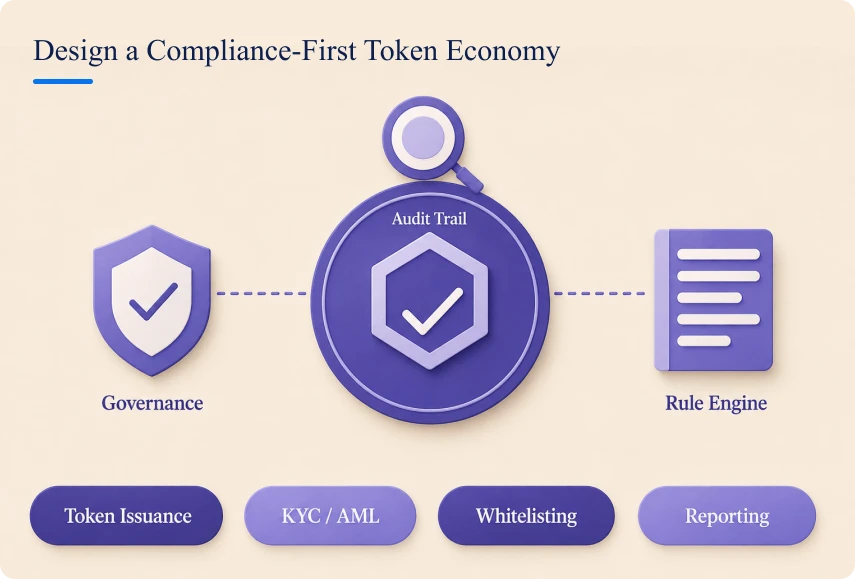
Step 1: Design a Compliance-First Token Economy
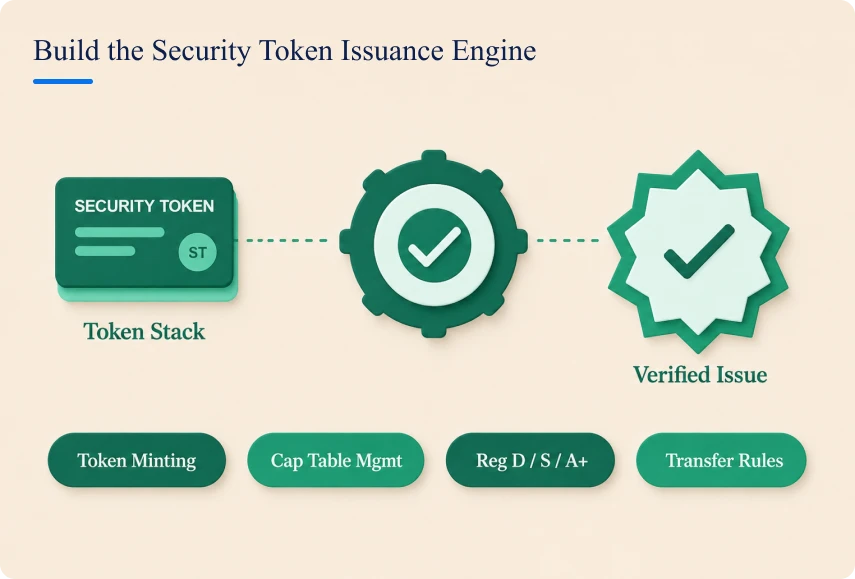
Step 2: Build the Security Token Issuance Engine
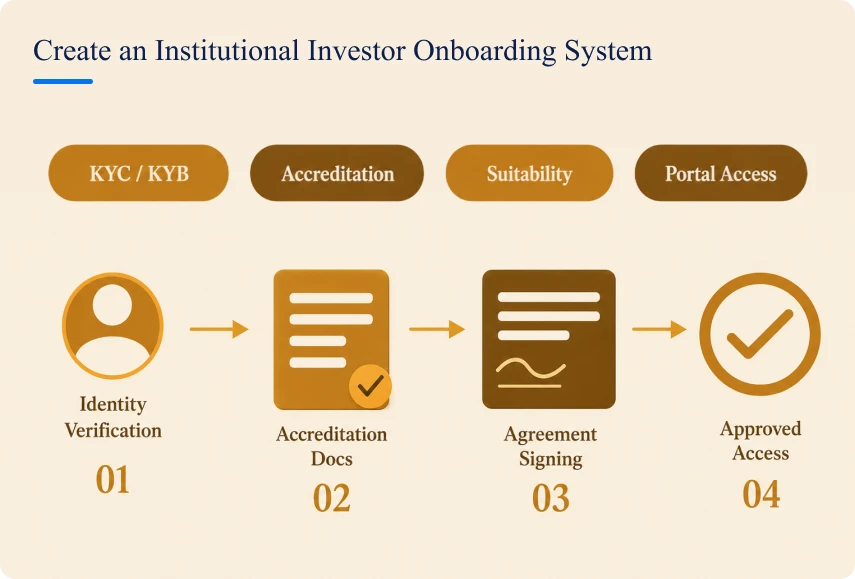
Step 3: Create an Institutional Investor Onboarding System
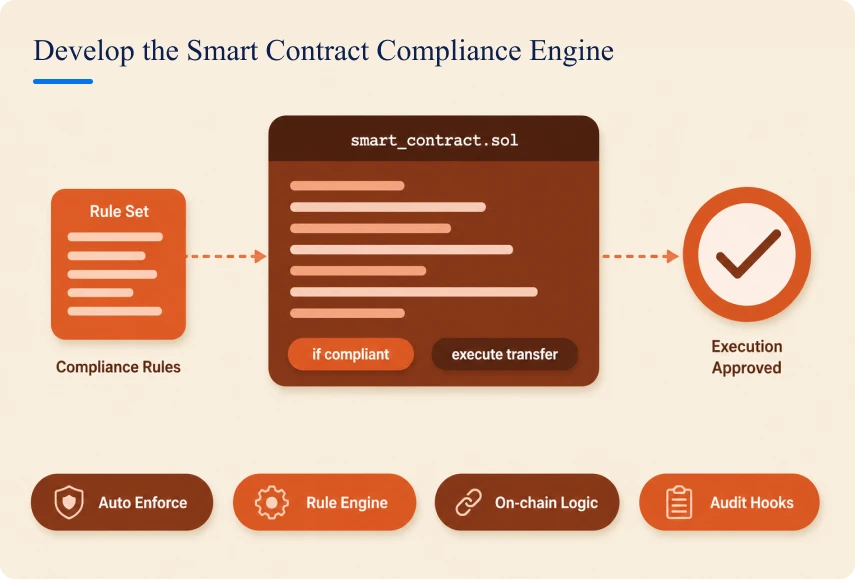
Step 4: Develop the Smart Contract Compliance Engine
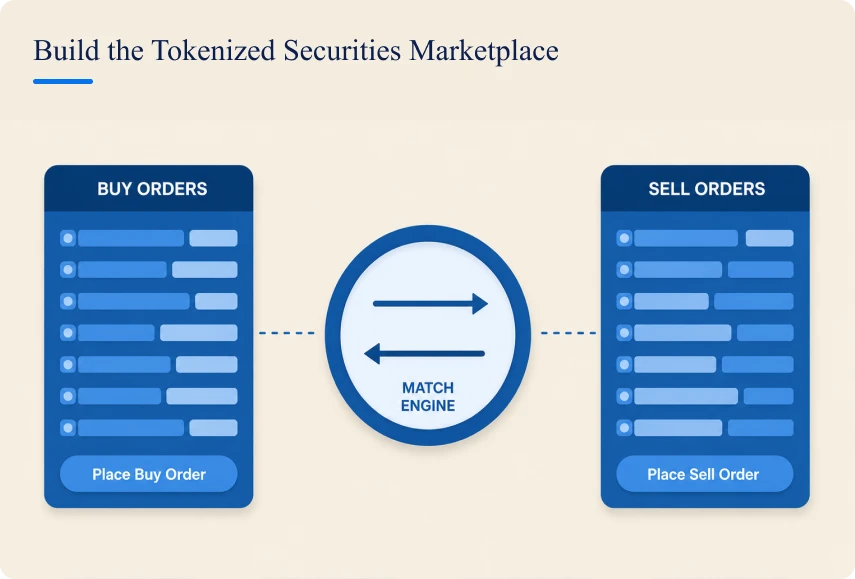
Step 5: Build the Tokenized Securities Marketplace
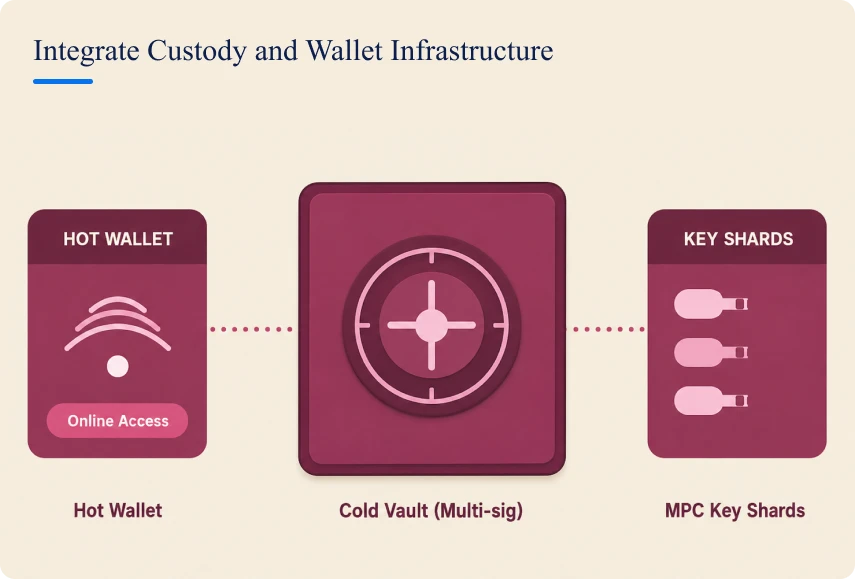
Step 6: Integrate Custody and Wallet Infrastructure
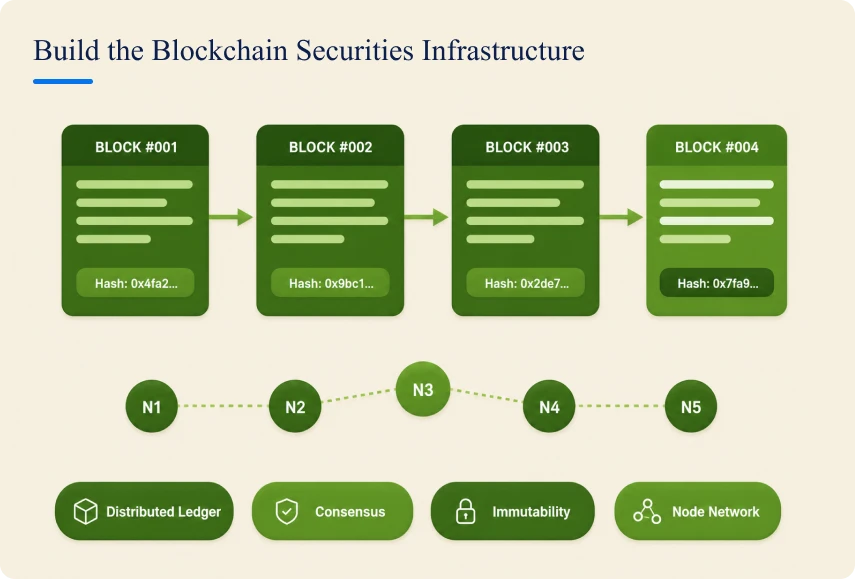
Step 7: Build the Blockchain Securities Infrastructure
That means smart contracts must constantly verify:
Investor identity
Jurisdiction eligibility
Transfer permissions
Holding restrictions
This creates a secure regulated DeFi infrastructure model suitable for enterprise-grade tokenization.
Step 5: Build the Tokenized Securities Marketplace
Once assets are issued, investors need a secure environment to trade them.
There are generally three approaches:
Marketplace Type
Purpose
Internal Marketplace
Controlled investor ecosystem
ATS Integration
Regulated trading infrastructure
Hybrid Marketplace
Compliance plus broader liquidity
A scalable tokenized securities marketplace may include:
Permissioned trading systems
Secondary marketplaces
Investor transfer validation
Compliance monitoring
Liquidity management tools
Most Polymath platform development models focus heavily on regulated secondary trading because liquidity remains one of the biggest investor expectations.
Most businesses learning how to build a platform like Polymath eventually adopt hybrid marketplace models because they provide better flexibility while maintaining regulatory control.
Step 6: Integrate Custody and Wallet Infrastructure
Unlike retail crypto users, institutions often prefer regulated custodial environments rather than self-managed wallets.
A professional custody layer may include:
Multi-signature wallets
Institutional custody providers
Hardware wallet integrations
Key recovery systems
Transaction authorization workflows
This infrastructure becomes critical for large-scale institutional blockchain ecosystem adoption.
Step 7: Build the Blockchain Securities Infrastructure
Permissioned blockchain environments are becoming increasingly important for regulated financial applications.
Unlike public crypto ecosystems, permissioned networks provide better:
Access control
Transaction privacy
Compliance management
Governance oversight
Institutional participation
Many businesses that build a platform like Polymath choose permissioned or hybrid blockchain environments because they align better with securities regulations and enterprise governance requirements.
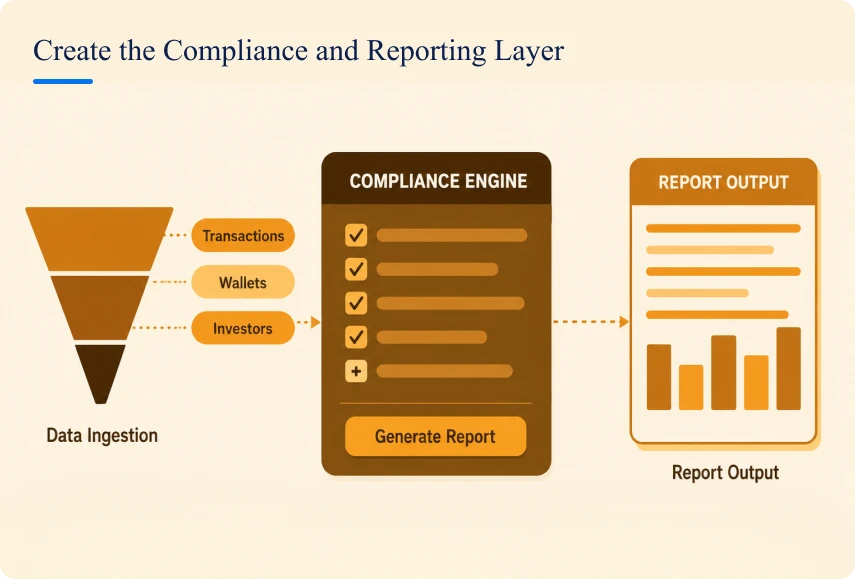
Step 8: Create the Compliance and Reporting Layer
Compliance reporting is one of the most overlooked parts of digital securities platform development.
A strong reporting layer should automate:
Regulatory filings
Investor reporting
Transaction monitoring
Tax reporting
Audit trail generation
Risk analysis
Financial regulators increasingly expect transparent digital reporting systems from financial asset tokenization platforms.
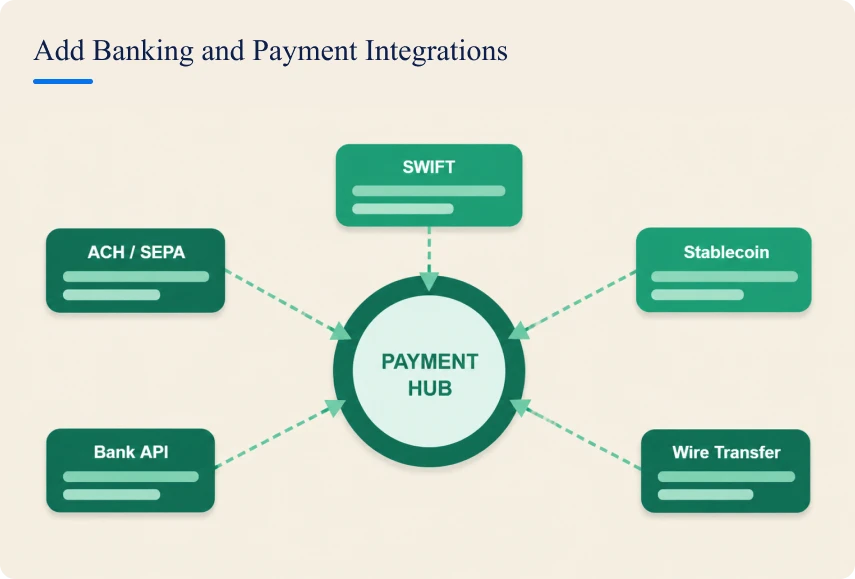
Step 9: Add Banking and Payment Integrations
Polymath tokenization platforms cannot operate in isolation.
Businesses exploring how to build a platform like Polymath increasingly integrate:
Banking APIs
Stablecoin payment systems
Fiat settlement rails
Cross-chain bridges
Institutional liquidity providers
These integrations help bridge blockchain infrastructure with traditional finance operations.
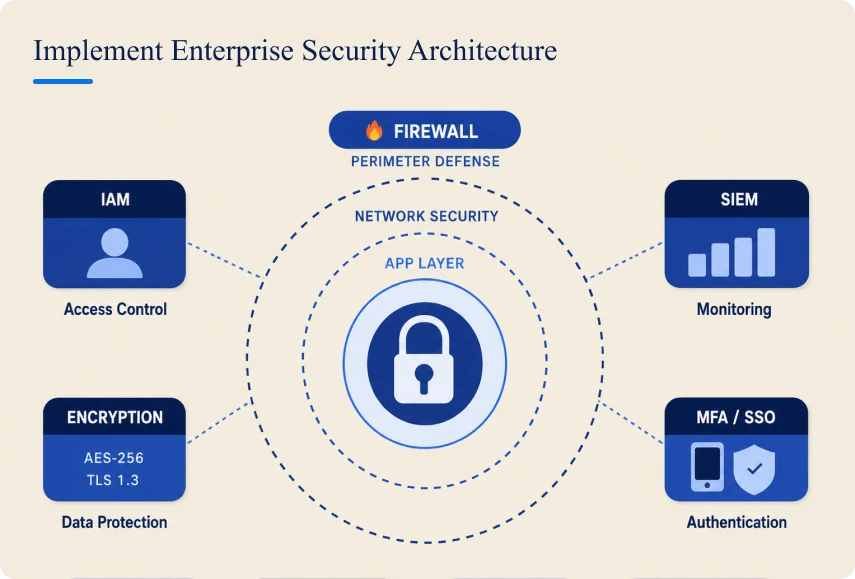
Security is absolutely critical for any security token issuance platform.
Enterprise-grade security measures typically include:
Smart contract audits
Penetration testing
Multi-factor authentication
Encryption layers
Threat monitoring systems
Zero-trust infrastructure
Institutional adoption depends heavily on platform security credibility.
As regulated digital assets continue growing, enterprise-grade security and compliance will become major differentiators for every successful Polymath clone script or custom tokenization platform.
Advanced Features for a Polymath-Like Platform
Businesses planning to build a platform like Polymath are no longer focusing only on basic token issuance. As institutional adoption grows, modern platforms are adding advanced infrastructure designed for compliance automation, scalability, and enterprise-level asset management.
Here are some of the most important advanced features used to build a platform like Polymath.
Advanced Features for a Polymath-Like Platform
Feature 01
AI-Powered Compliance Monitoring
AI based compliance systems help keep an eye on investor behavior, weird transaction patterns, and AML risks all on their own, while also reducing a lot of the manual compliance effort.
Automated Smart Contract Compliance Engine
A built-in smart contract compliance engine helps automate investor verification, transfer restrictions, and regulatory checks, making the entire compliant tokenization platform more secure and efficient.
Multi-Asset Tokenization Support
Modern platforms support the RWA tokenization of multiple asset classes including equities, real estate, debt instruments, funds, and other institutional financial assets.
Institutional Investor Dashboard
An advanced dashboard gives investors easy access to portfolio tracking, asset performance, compliance updates, and yield reports within a secure institutional blockchain ecosystem.
Permissioned Secondary Marketplace
A permission-controlled tokenized securities marketplace lets only approved investors trade digital securities, while keeping compliance intact and putting transfer limitations in place.
Cross-Chain Asset Compatibility
Cross-chain integrations enable more networks to connect with each other and allow them to operate on more blockchains ecosystems, with easier liquidity, and so that funds move easily between ecosystems.
Institutional Custody Infrastructure
Enterprise-level custody systems focus on safe wallet management, multi signature authorization, plus stronger safeguarding of institutional assets.
Automated Reporting and Audit Systems
Integrated reporting systems simplify regulatory filings, investor reports, audit trails, and transaction monitoring for large-scale digital securities platform development.
Regulated DeFi Infrastructure
Some platforms are integrating permissioned DeFi features that allow tokenized securities to interact with lending, liquidity, and staking systems while remaining compliant.
Enterprise Security Architecture
Top security layers like smart contract audits, encryption frameworks, and ongoing threat monitoring in order to increase the robustness of the overall blockchain securities infrastructure.
By combining all these advanced components in an environment, it makes it easy to create an environment that feels more secure, scalable, and ready for institutions handling regulated digital assets. As more companies try to build a platform like Polymath, enterprise grade compliance and infrastructure become more and more necessary for steady long-term growth.
Business Models Behind Security Token Platforms
A successful Polymath platform development strategy usually combines multiple revenue streams.
Revenue Stream
Description
Token Issuance Fees
Charges for creating digital securities
Compliance Services
KYC/AML and investor verification
Marketplace Fees
Trading commissions
Asset Listing Fees
Tokenized asset onboarding
Custody Services
Institutional asset management
Reporting Services
Compliance reporting tools
Recurring compliance and infrastructure revenue often become the most sustainable long-term business model.
Market Opportunity in 2026
The market for regulated digital assets is growing much faster than most people expected. Businesses planning to build a platform like Polymath are entering a sector that is quickly shifting from experimental blockchain projects to real institutional financial infrastructure.
Recent data from RWA.xyz shows that the tokenized real-world asset market has already crossed $27 billion in distributed asset value, with more than 700,000 asset holders participating across blockchain ecosystems. At the same time, CoinGecko’s 2026 RWA report revealed that tokenized real-world assets grew by nearly 257% in just 15 months, reaching over $19 billion in market capitalization.
What makes this more important is that the growth is now being driven by institutions, not just crypto-native users. Even U.S. banking regulators recently clarified that tokenized securities will not face additional capital treatment rules, giving more confidence to institutional adoption.
This growing momentum is creating massive opportunities in:
As regulations become clearer, and institutional participation keeps rising, the odds of a significant rise in demand for secure and scalable platforms similar to Polymath are expected to occur over the next few years.
Estimated Cost to Build a Platform Like Polymath
The cost to build a platform like Polymath is highly dependent on compliance requirements, infrastructure complexity and level of customization.
Tier 01
Basic Polymath Clone Script
$15,000 - $40,000+
Tier 02
Mid-Level Custom Platform
$50,000 - $100,000+
Tier 03
Enterprise Institutional Platform
$120,000+
The total cost of Polymath platform development is usually influenced by features such as:
Security token issuance platform development
Digital asset compliance systems
Blockchain investor onboarding
Smart contract compliance engine integration
Permissioned tokenized securities marketplace
Institutional custody systems
Enterprise security architecture
Cross-chain and banking integrations
Most start-ups prefer such a Polymath clone script as it has quick deployment, while such an enterprise may be investing more in the kind of custom blockchain securities infrastructure and advanced enterprise tokenization stack solutions for a longer-term scalability.
The Future of Platforms Like Polymath
The future of platforms like Polymath looks increasingly institutional. As regulations around digital assets become clearer, more financial firms, asset managers, and enterprises are expected to adopt blockchain-based systems for regulated investments and financial asset tokenization.
Businesses planning to build a platform like Polymath are now focusing on much more than simple token issuance. Over the next few years, platforms similar to Polymath are expected to evolve toward:
Multi-chain asset ecosystems
Institutional DeFi infrastructure
AI-driven compliance and smart contract automation
Cross-border digital securities infrastructure
Tokenized private capital markets
Enterprise-grade custody infrastructure
Better liquidity through regulated trading networks
Automated regulatory reporting
As adoption continues growing, compliant and scalable digital securities platforms are expected to become a major part of the future financial infrastructure.
As regulations mature globally, businesses that build a platform like Polymath early may gain a strong competitive advantage in the future digital finance economy.
Conclusion
The real struggle is, not only getting it live, but creating an ecosystem with investor onboarding and smart contract compliance, then custody systems, and regulated trading infrastructure, and somehow each layer has a major say in whether things work long-term.
As institutional interest in regulated digital assets and financial asset tokenization continues to increase, you should expect the demand for advanced digital securities platform development solutions to climb fast.
Businesses that emphasize compliance, transparency, security and scalable infrastructure will end up stronger as digital finance keeps evolving. With experience in blockchain development and RWA tokenization solutions, BlockchainX helps businesses build secure platforms designed for the future of digital finance.
Free consultation
Ready to Build a Platform Like Polymath?
BlockchainX helps businesses launch secure and scalable digital securities platforms with compliance automation, investor onboarding, smart contract infrastructure, and institutional-grade tokenization solutions.
Get all the latest posts delivered straight to your inbox.
Get In Touch
Our expert team is professionally well-equipped with hands-on experience as a
blockchain development company. Connect with us; at BlockchainX, we curate your desired
sustainable solution!